
What Is the Meaning of a Dispute in the Banking Industry?



Short answer: In banking, a dispute is a cardholder's formal request to their bank or card issuer to reverse a charge they say is wrong, unauthorized or not as described. The issuer investigates and may credit the cardholder while it does. If the merchant can't show the charge was valid, the dispute becomes a chargeback and the money is taken back.
Odds are, you've put a lot of effort into bringing your product to market and attracting new customers.
So once your customer enters their credit card information and the payment goes through, you can finally kick back and relax, right?
Well, not necessarily. Maintaining customer satisfaction after the purchase is just as important as converting them in the first place, especially when avoiding disputed transactions.
Alongside negative reviews, disputed transactions are an unavoidable plague in the world of ecommerce. And it can cost your ecommerce businesses thousands of dollars in direct and indirect costs to remediate.
But don't fret. In this guide, you'll go from asking, "what does a dispute transaction mean" to walking away as an expert in disputed transactions, chargebacks, and how to avoid these gnarly revenue blackholes for your online store.
Are you ready to learn more?
Let's dive in.
What is a disputed transaction?
Have you ever reviewed a credit card statement and realized that you were charged twice for your Amazon order but only ordered (and received) one package?
You can call your credit card company to report the duplicate charge. After all, why should you pay for something twice when you only ordered one? You want a refund.
That, my friends, is a disputed transaction.

In other words, a disputed transaction refers to a debit or credit card transaction that a cardholder challenges as illegitimate.
Common reasons customers dispute a transaction
There are several reasons your customers might dispute a transaction. Some common examples include:
- Fraudulent charges: If customers believe their credit card has been used fraudulently, they may dispute the charges with their credit card issuer.
- Products not received or not as described: If a customer doesn't receive the product they ordered or if the product doesn't match as described on your website.
- Double charges or overcharges: If a customer is charged multiple times for the same purchase, the amount charged differs from what is listed on the website.
- Delivery issues: If a customer experiences a delivery problem, such as a delay or a damaged item.
- Customer service issues: If a customer has a problem with a purchase and can't resolve it with you directly.
- Unrecognized charges: If customers don't recognize a charge on their statement, they may dispute the charges to determine what it is for.
Credit card vs. debit card disputes
Regardless of if a customer disputes a transaction on a credit or debit card, it means less money in your pocket at the end of the day.
But it's worth noting the slight differences from the customer's perspective.

When it comes to disputing a charge on a credit card, the process is fairly straightforward.
- If a customer has a problem with a purchase, they can simply call their credit card issuer and dispute the charge.
- The issuer will then add a temporary credit to their account while investigating the matter.
- If it turns out that the charge was legitimate, the credit card company will take the credit back.
- But if they were right, the charge was fraudulent, or you were wrong, the customer will get to keep the credit. You're responsible for paying the chargeback and any related fees.
Debit cards are slightly different because they link directly to the customer's bank accounts. So the money they spend using a debit card comes directly from their own funds.
- If they dispute a charge on a debit card, they'll need to show that it was the result of fraud or abuse.
- They'd get their money back if the dispute resulted from fraud or abuse.
- But if the dispute doesn't fall into these categories, they'll have to work with you directly to solve the issue.
Disputed transactions vs. chargebacks
Sometimes, people use disputed transactions and chargebacks interchangeably. But they're two different concepts.
Let's break it down further.
A disputed transaction refers to a situation where a customer or cardholder disputes a charge on their credit card statement. They believe the charge is fraudulent, unauthorized, or not what they expected.
The dispute triggers an investigation by the customer's credit card issuer to understand more about the charge.
On the other hand, a chargeback is a reversal transaction that returns the funds to the customer's credit card. This event occurs after a dispute has been resolved in the customer's favor.
In other words, a disputed transaction is a dispute raised by the customer about a charge on their credit card statement, while a chargeback is the actual reversal of the charge.
What is the cost of a chargeback?
Chargebacks often cost merchants a fee — usually a percentage of the transaction amount.
The amount can vary depending on the card network, the issuing bank, and the merchant's acquiring bank.
Here are the common fees across payment service providers (PSP):
- Bolt: $15
- PayPal: $15
- Amazon Pay: $20
- Stripe: $15
Chargebacks can also cost a lot of money, like the fee and lost merchandise and shipping. Also, the time and resources needed to respond to the chargeback and resolve the dispute.
And unfortunately, that only begins to scratch the surface of the negative consequences. Chargebacks can also hurt a merchant's reputation and ability to accept credit card payments in the future.
Whether you're Apple, one of the best payroll companies in the world, or a small ecommerce store, chargebacks can be inevitable using online payment systems or smart wallet services.
And trust us, they're not fun. But that doesn't mean there aren't ways to prevent or limit your disputed charges.
Since chargebacks are always the result of a disputed transaction (and can't occur without it), you're on the high road to success if you can nip the disputed transactions in the bud.
5 simple ways to prevent disputed transactions
Say goodbye to chargeback headaches and hello to happy customers with these five foolproof methods for avoiding disputed transactions:
1. Write clear and detailed product descriptions
When shopping online, customers rely heavily on product descriptions. It helps them decide on the proper items to purchase for their needs.
Inaccurate or incomplete product descriptions can lead to misunderstandings and, ultimately, disputed transactions. Take this example of a shrunken shirt from Nike:
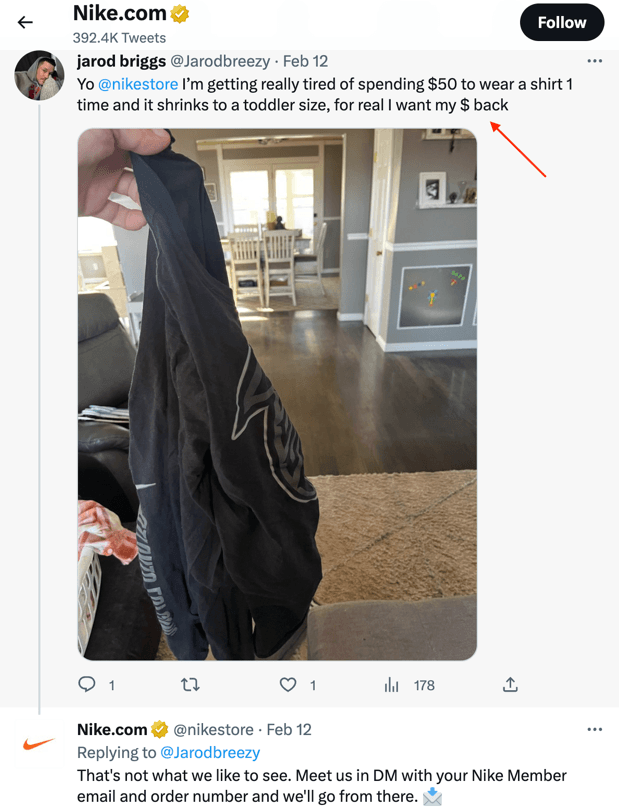
It's important to offer clear and detailed product descriptions that accurately represent the items in your online store to prevent this exact issue.
Some things you can do to ensure your product descriptions are as clear and detailed as possible include the following:
- Adding multiple high-quality images of the product from different angles
- Providing accurate measurements and dimensions
- Listing all materials used in the product's construction
- Specifying any potential limitations, such as weight restrictions for a product
- Including a detailed description of the product's features and benefits
If you are looking for inspiration, use Wayfair as a role model. They include a detailed product description and a list of items included (and excluded) — plus product images from different angles.
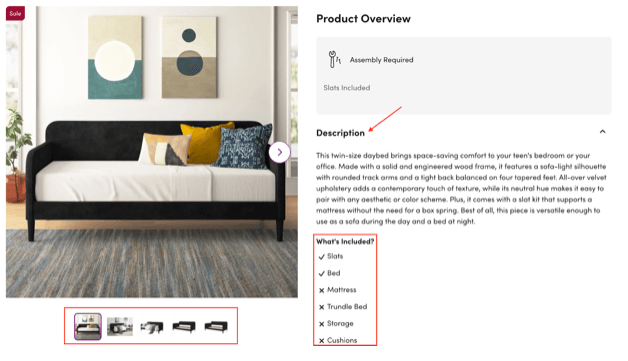
Take your transparency to the highest level, and consider including all taxes and delivery fees upfront to avoid unnecessary surprises during checkout.
And then again, a month later, when the customer receives and reviews their corporate, personal, or even teen debit card statements, there'll be no second guessing.
When your website has clear and concise information about the products, the price, and related fees, it'll help customers understand what they're paying for and reduce the chance of disputes.
That means fewer headaches for both parties involved.
2. Provide excellent customer service
You know that saying "happy wife, happy life." Well, it holds true for ecommerce businesses, too.
Ok, well, maybe a slightly different variation. How about “the customer is always right”? That's better.
Customers who feel heard, valued, and supported are less likely to dispute a transaction. On the other hand, if they feel ignored, frustrated, or unassisted, they're more likely to escalate the issue to their bank.
So, how can you double down on your customer service to provide the best possible service to your customers?
Here are some tips:
- Respond promptly to customer inquiries and complaints
- Offer multiple ways for customers to get in touch, such as email, live chat, and phone
- Train your customer service team to be friendly, empathetic, and knowledgeable
- Implement a satisfaction guarantee
- Provide real-time updates on order and delivery status
Take a page out of H&M's book. They incorporate a friendly chatbot that can respond to customer service inquiries 24/7.
But it gets better. H&M also provides a portal for tracking deliveries and starting a return. Talk about a customer service superstar.
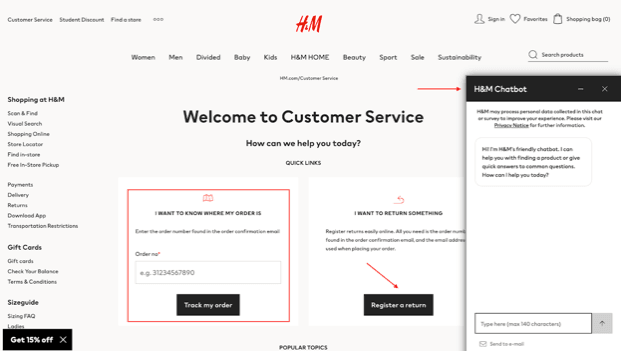
Besides chatbots, you may create a fintech app for your store, where people will be able to pay, track payment history, and prices, and return products.
You can significantly reduce the risk of disputes and increase customer satisfaction with your brand by putting your customers first. Always provide them with a seamless shopping and customer service experience. Also, when your customers get in touch with email, don’t ignore the importance of security and follow DMARC policy to ensure that communication with them is safe from email security threats.
3. Offer flexible return policies
Believe it or not, return policies play a significant role in the decision-making process for many customers.
A flexible and generous return policy can be a huge selling point and help build customer trust in your brand. On the other hand, a rigid or complicated return policy can drive customers away and increase the likelihood of disputes.
So, how can you offer a flexible return policy to your customers? Use these tips:
- Make your return policy easily accessible on your website
- Use simple language and avoid legal jargon
- Offer a generous window of time for returns
- Provide free returns or offer a return shipping label
- Be transparent about any restocking fees or conditions
- Consider offering store credit or exchange instead of a refund
Costco has one of the best return policies in the industry, driving loyal customers from near and far to make bulk purchases they probably don't need.
Why? They can return for any reason at all. 100% risk-free.
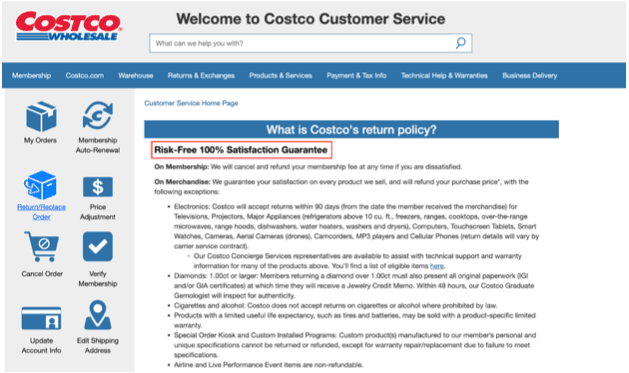
A flexible return policy shows your customers that you stand behind your products and are committed to their satisfaction. This simple policy can go a long way in preventing disputes and building customer loyalty.
4. Invest in fraud detection tools
As the world becomes increasingly digital, we've seen more fraudulent activity online. And your business isn't safe unless you invest in the appropriate tools.
Why? Bad actors are always lurking in the shadows, waiting to strike on low-hanging fruits.
So, what kind of fraud detection tools should you invest in? The ones with the best protection, of course.
That's where Bolt fraud detection comes into play. It's guaranteed to keep you covered with 100% chargeback protection and 200 real-time signals to flag suspicious activity.
Why work harder when you could work smarter? Bolt can save you thousands of dollars, and you don't have to lift a finger.
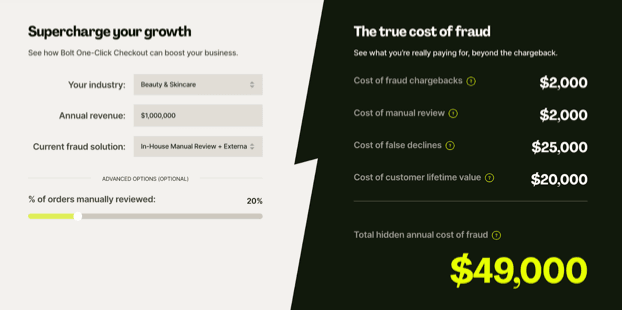
With Bolt fraud detection, you can reduce the risk of fraudulent disputes, giving you peace of mind and allowing you to focus on growing your business.
5. Keep accurate records
Customers need to keep their receipts if they want to return a product, so you should follow the same protocol.
But of course, your record-keeping is on a much larger scale. With some automation tools and a little organizing, you'll be thankful for your new hoarding tendencies when a customer dispute comes through.
Why? Accurate records help you to provide concrete evidence in the case of a dispute, making it easier for you to resolve any issues quickly and efficiently.
Here are a few things you should keep track of:
- Invoices and receipts
- Delivery records and tracking numbers
- Customer information and purchase history
- Communication with the customer regarding the transaction
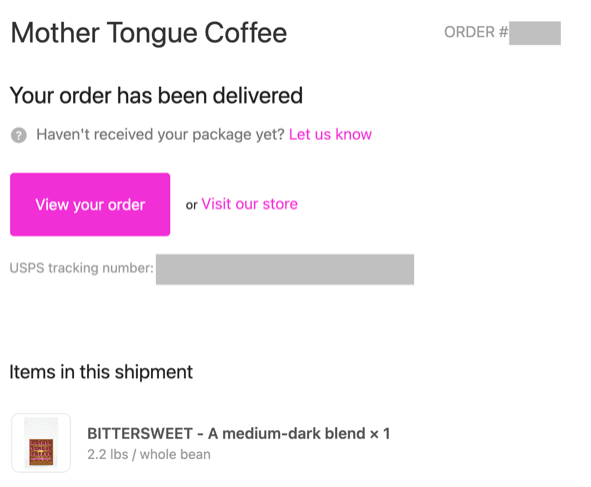
When you have quick and easy access to these records, you can provide proof of purchase and delivery, giving you a stronger case in case of a dispute.
And let's remind you, if you don't provide the proper evidence, that's money out of your pocket (and then some).
So, make sure you're keeping track of everything and keeping your records up to date! Your bottom line will thank you.
Wrapping up
That's it, folks. Thanks for sticking with us until the end.
Disputed transactions are thorns in your side, costing you time, money, and resources to resolve.
But a little effort can go a long way in keeping your customers happy and your business running smoothly. Happy customers reduce the odds of disputed transactions.
And thankfully, you don't need to raise VC funding to make it happen.
Focus on improving your product pages and providing the best possible customer service in your niche — you're more than halfway there.
And if you have a budget to work with, it doesn't hurt to add a fraud protection tool to your tech stack. Schedule a free demo today to learn more.
About the author
Jeremy is co-founder & CEO at uSERP, a digital PR and SEO agency working with brands like Monday, ActiveCampaign, Hotjar, and more. He also buys and builds SaaS companies like Wordable.io and writes for publications like Entrepreneur and Search Engine Journal.
Why Customers Abandon Online Shopping Carts
This report has exclusive data on the top reasons customers don't complete online purchases, plus ways your store can stop abandoned carts.
Download eBook