
Ecommerce SEO Checklist for New Stores



Guest author Jeremy Moser is CEO of uSERP.
Are you ready to boost organic traffic to your ecommerce site? Then you have come to the right place.
As a new ecommerce store owner, optimizing your website for search engines is more important than ever.
Why? Because more than 90% of all online experiences begin with search engines.
And people ate ads, with almost 80% of users ignoring paid ads in search results.
So don't let Amazon take that coveted first spot on Google's search results page. It's already hard enough to compete against these ecommerce behemoths.
With the right ecommerce SEO strategy in place, that number one spot on the search engine result page (SERP) is yours for the taking.
This comprehensive ecommerce SEO checklist breaks down everything you need to know about on-page, off-page, and technical ecommerce SEO. Plus, we'll share some easy-to-follow examples.
Let's dive in.
What is ecommerce SEO?
Search engine optimization, more commonly abbreviated as SEO, is the process of improving the visibility of your webpage on search engines to generate more organic traffic to your website.
The same holds true for ecommerce SEO, intending to get your product pages to rank higher on search engines to drive organic traffic to your online store and convert visitors into paying customers.
But you can't just build a product page and instantly land 100,000 visitors per month.
With low barriers to entry and a digital shift in consumer demands, the ecommerce industry is growing rapidly at a CAGR of 11.9%.
And there are already many big players in the game: Amazon, Target, and Walmart.
The key to standing out is to get your products in front of consumers who are actively searching for them online. That's where ecommerce SEO comes into play.
The ultimate ecommerce SEO checklist
SEO is a complicated beast, from meta descriptions to title tags to site speed, internal links, and everything in between.
There's a lot to keep track of, and it's easy for things to slip through the cracks.
But don't worry. That's why we've put together the ultimate ecommerce SEO checklist that'll help keep you on the fast track to improving rankings and driving traffic to your online store.
Step 1: Focus on building a library of niche content
Content marketing, the lifeblood of SEO, can seem challenging in the ecommerce space. After all, what do you write about when you sell furniture? Or water bottles?
Topics can feel limited and boring if you haven't done much research. And, let's face it, outright useless.
But the truth is that you can write about plenty of topics if you know where to look and how to approach them.
Don't worry If writing isn't your strong suit. Plenty of resources are available at your fingertips to streamline the writing process like an AI writing tool that can create a first-draft blog post in minutes. Or you can even outsource the process entirely to content writing services.
When outlining your niche content strategy, you'll want to focus on a few key factors:
- The type of content
- What topics to cover
- Mix intent for multiple purposes: build brand awareness, generate leads, and close sales
Before diving into these factors, let's look at an example: Hims & Hers Health.
Hims and Hers Health offers thoughtfully created and curated health and wellness products. They focus on creating content their target market is actively searching for to reach their intended customer. That includes educational materials about anxiety and depression.
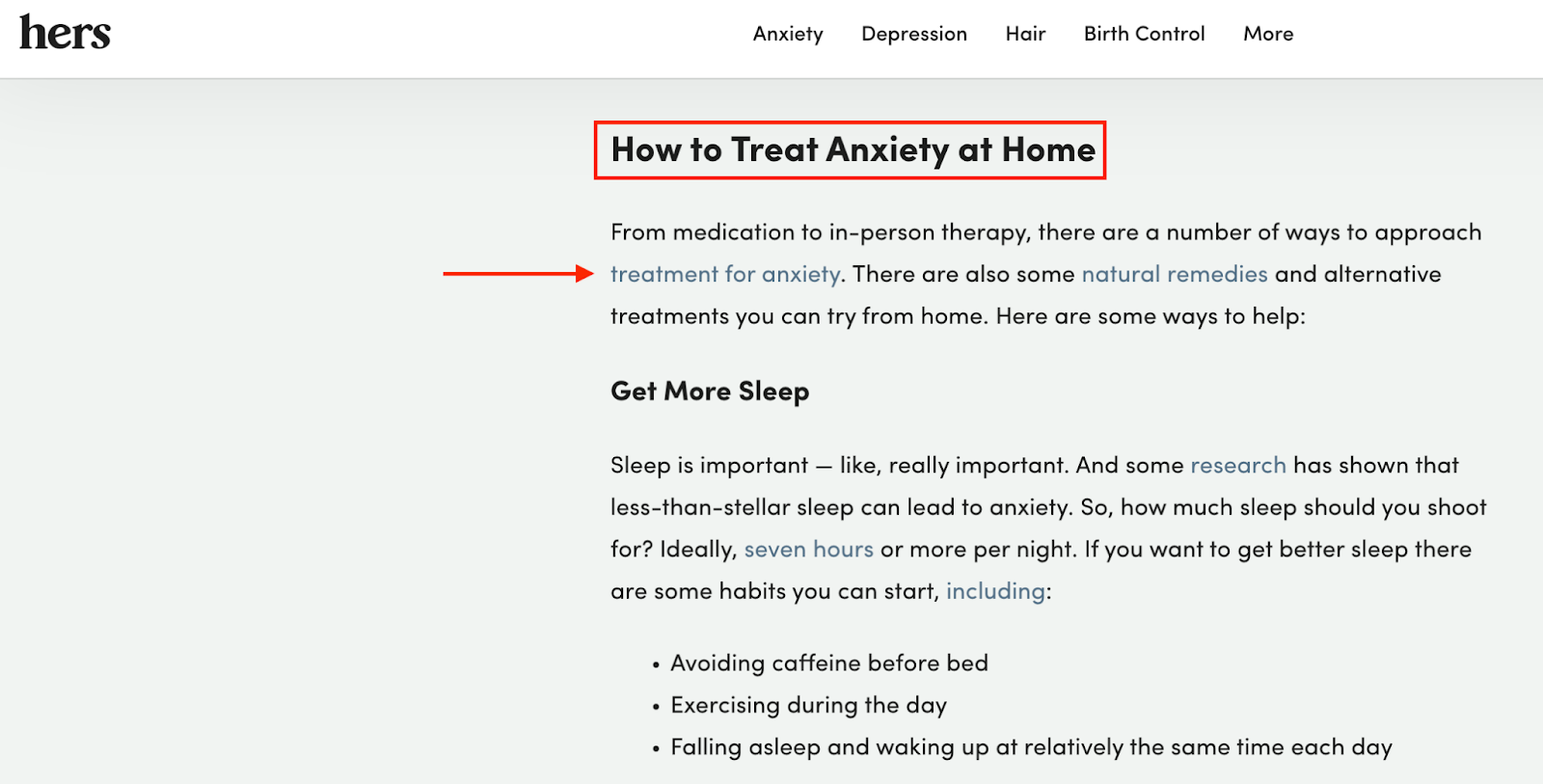
This blog post on how to treat anxiety at home is an excellent example of top-of-the-funnel brand awareness content.
The content isn't heavily tied back to their products — the purpose is to establish Hims & Hers Health as a reputable brand in the telehealth world. This content is perfect for new visitors struggling with anxiety and genuinely searching for a solution.
The content strategy doesn't end there. Hims & Hers Health takes it one step further to capture traffic at all stages of the buyer's journey. The image above is a perfect example of content geared towards bottom-of-the-funnel traffic who are on the cusp of buying from them.
Hims & Hers Health has developed a stellar framework for attracting new organic visitors with general health content. Then they close the sale with targeted content relating directly to the products they sell.
A content strategy that drives real growth is more than just hitting the publish button ten times a month. Content that doesn't serve a purpose is worthless.
Why? The competition is fierce.
So you need to provide value for your audience.
First, outline the goals of your content to give you a clear picture of what content to create. Then, segment it based on intent and the buyer's journey.
Once you've got a strategy in place, it's time to find keywords you can use to fill that content.
Step 2: Perform ecommerce keyword research
Finding the right keywords is like winning Willy Wonka's golden ticket.
Keywords allow you to capitalize on your target market's pain points and interests. They are the exact terms that your audience is typing into Google.
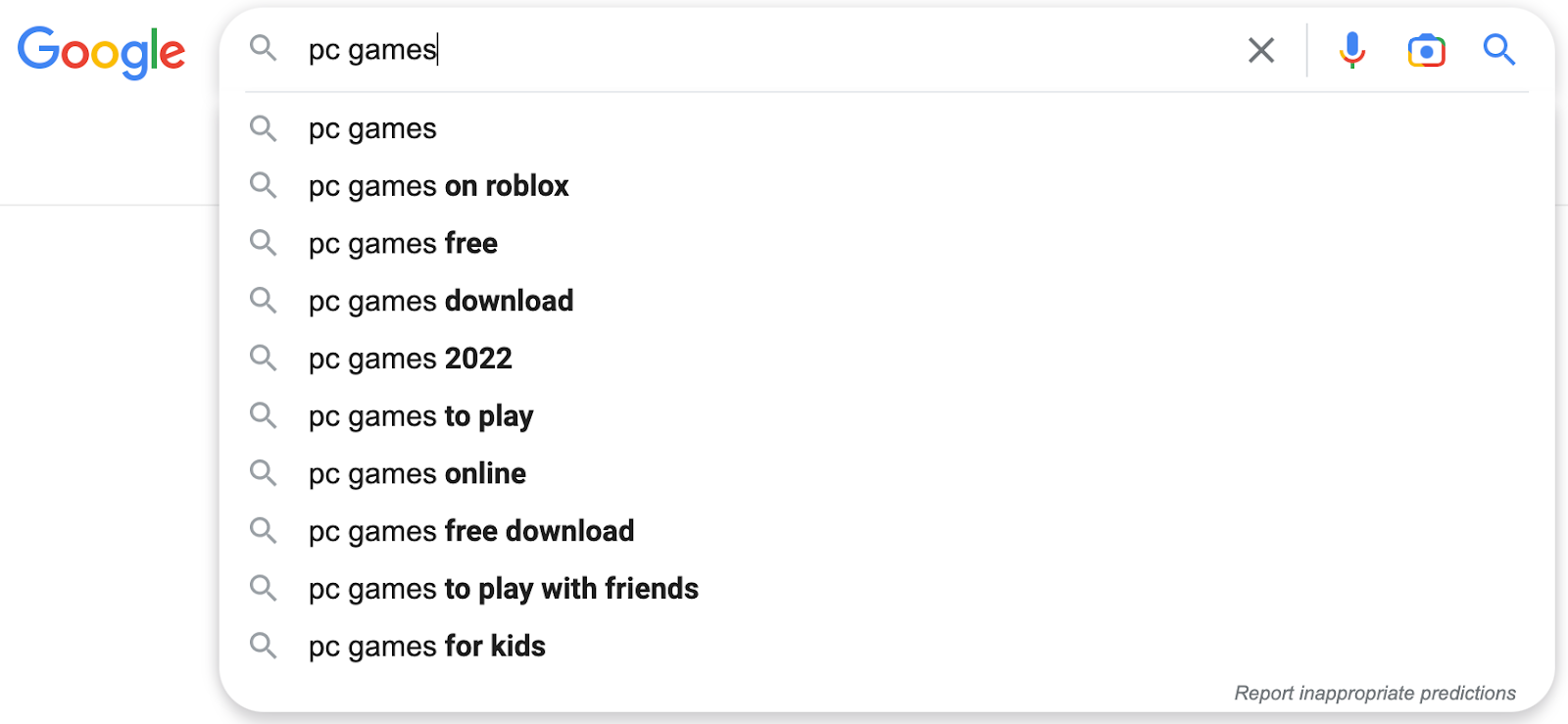
Most people make a big mistake when conducting ecommerce keyword research (i.e., going directly for the big fish). It's always tempting to create content for a high search term like "PC games," but that's way too competitive.
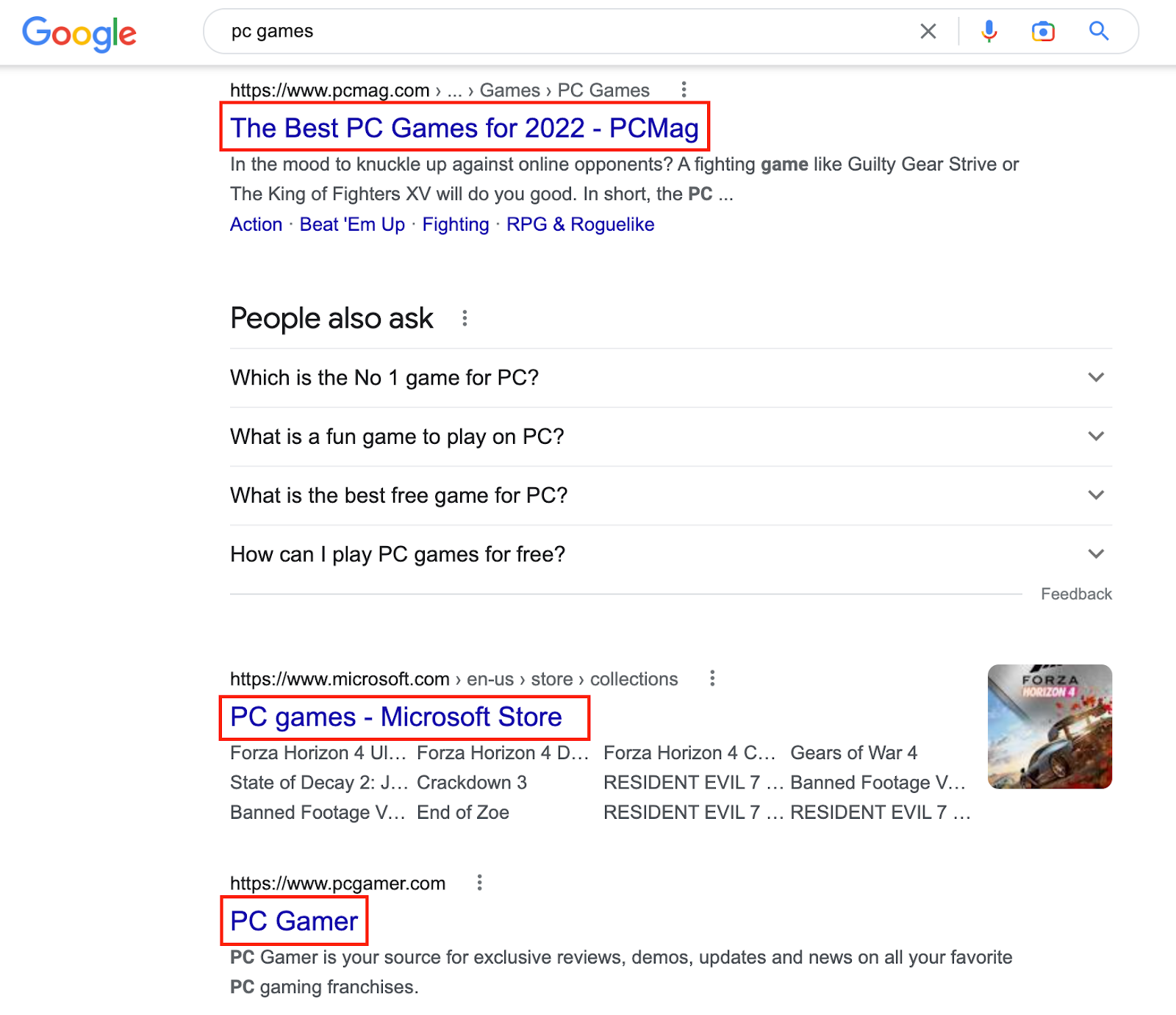
When you analyze the SERP for this term, most people either click on review articles or recognizable brands like Microsoft.
These highly competitive, broad keywords aren't your money-makers. Instead, segment your keyword research by the different stages of the buyer's journey: awareness, consideration, and decision.
Awareness
For the top-of-the-funnel keywords, focus on long-tail topics and phrases.
Back to the PC video game example, long-tail topics might center around activities, tips, or content for video game enthusiasts. This could be anything like details about all of the Fornite downloadable content (also known as skins).
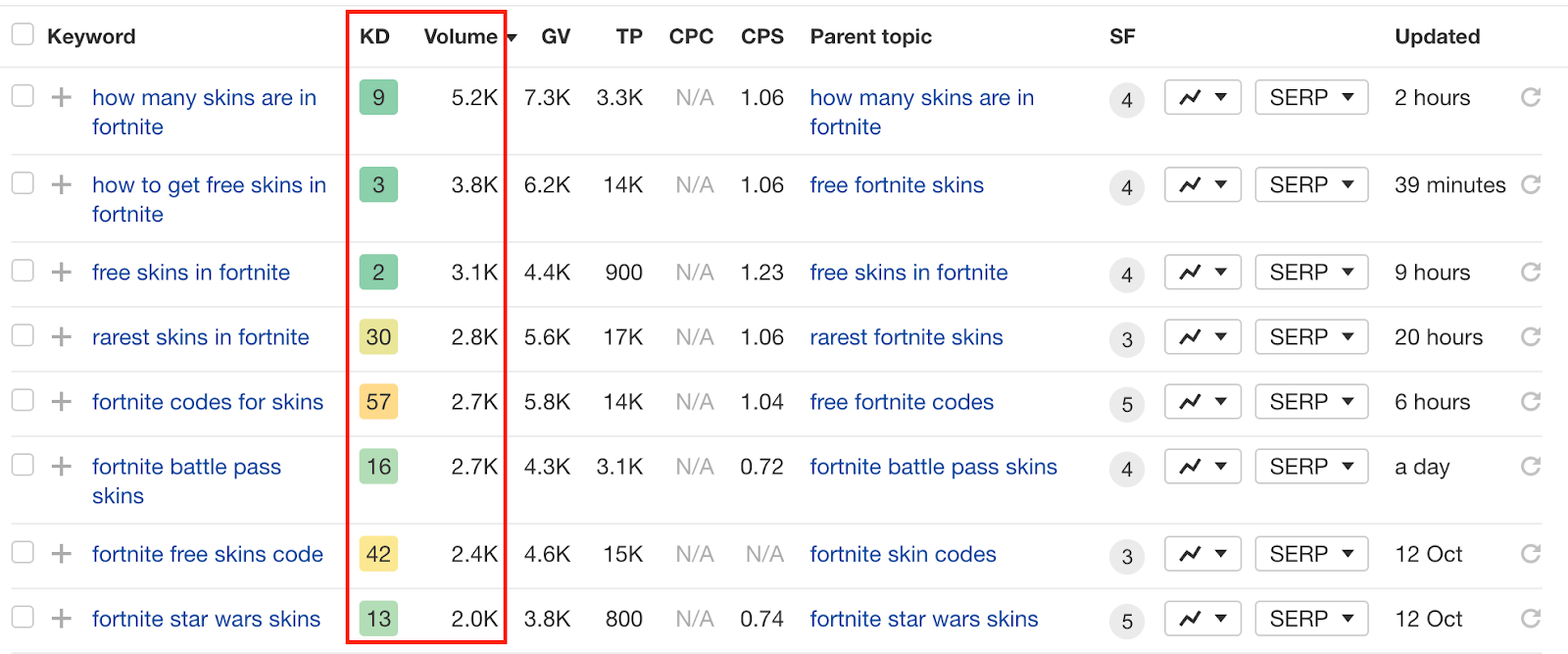
These terms have decent monthly search volumes and moderately low difficulty. The goal is for your content to appear at the top of the SERP for any search related to video games.

This is an excellent start for a piece of content that focuses on providing value to searchers and building passive brand awareness.
Consideration
Middle-of-the-funnel keywords are often more focused on specific product features and benefits than broad themes in an overarching space.
For instance, a post comparing the best PC games is the perfect example of content that targets a buyer in the consideration stage.
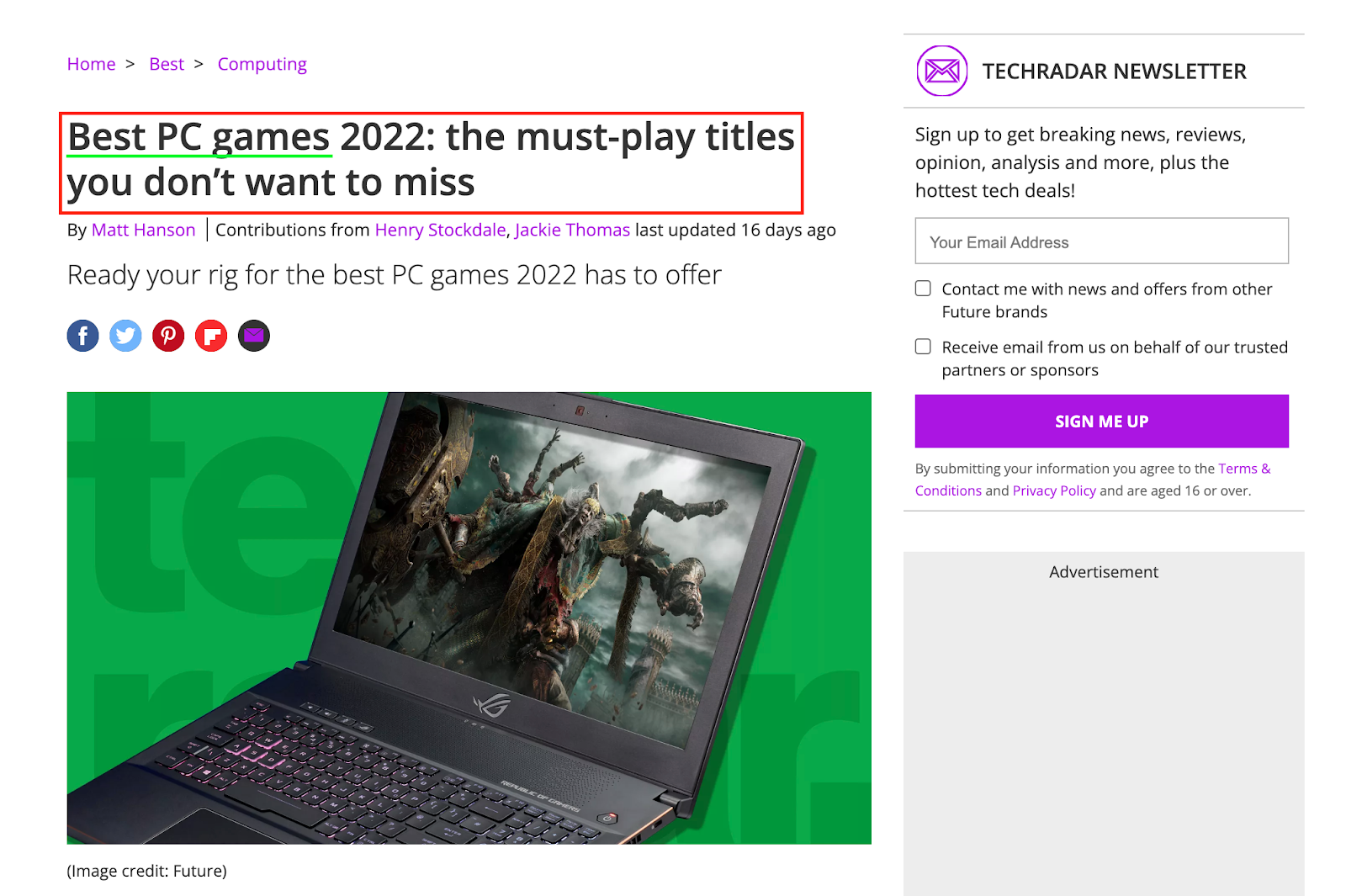
These users are in the early stages of the buying cycle. They're looking for information but aren't quite ready to make a purchase yet.
You shouldn't be directly selling your products here, but comparing what you offer and what they'll get in exchange for their hard-earned money.
Thankfully, ecommerce keyword research is easier than you think. Just start with Google and enter general topics for your niche. From there, compile a list of autocomplete suggestions for long-tail searches, and boom, a high-quality list of keywords.
Decision
Keywords in the bottom-of-the-funnel searches indicate that a person is about to make a purchase. These keywords are often branded searches — like "Fortnite Rebirth Harley Quinn Skin" and signify a high intent to buy.
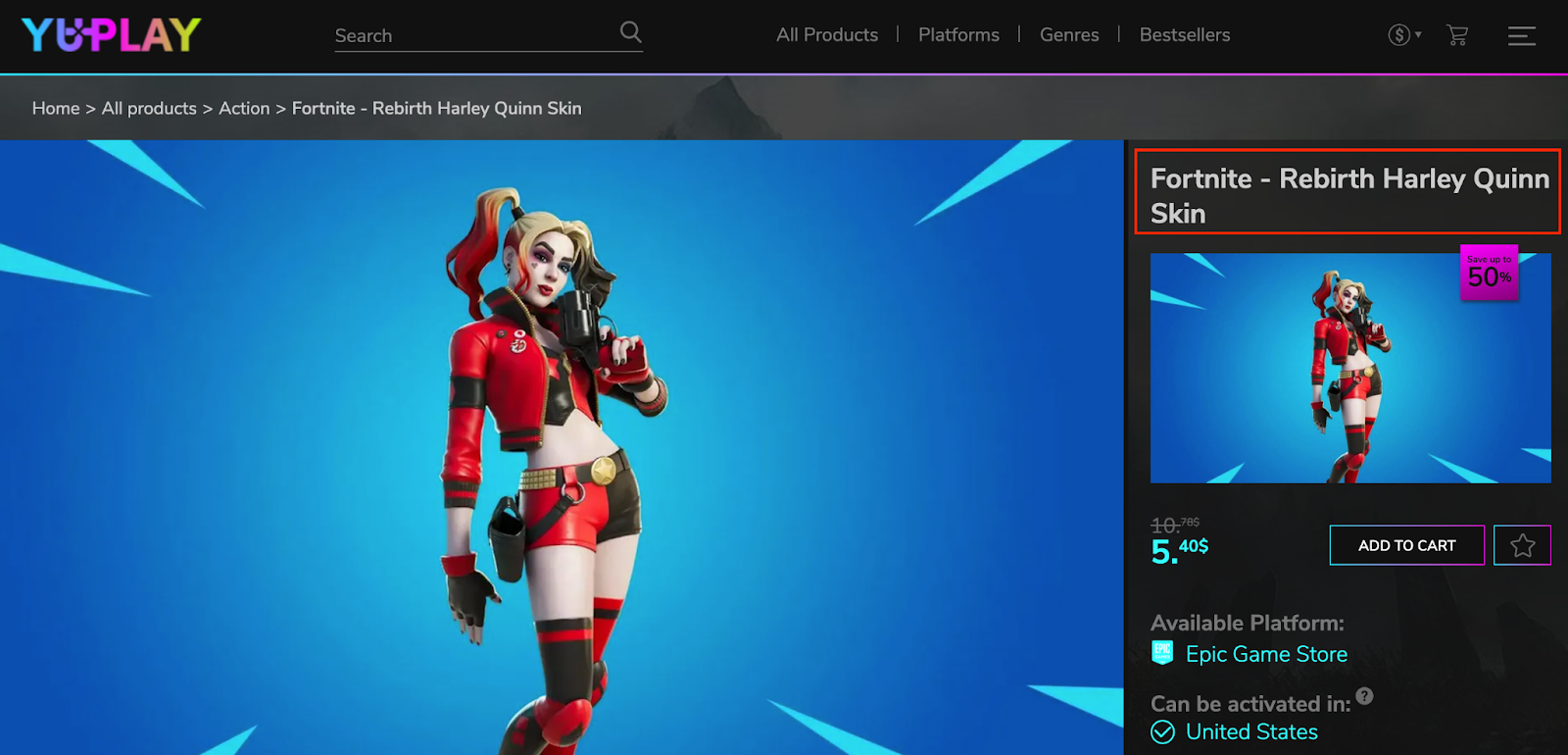
So, what tools can you use to come up with these bottom-of-the-funnel keyword ideas?
Amazon's auto-suggest feature can help you discover common searches stemming from a short keyword. These are the perfect keywords to start optimizing for on-page SEO.
Step 3: Master ecommerce on-page SEO
On-page SEO is all about optimizing your blog posts and product pages for a given keyword.
To improve rankings, user experience, and more, here are a few key factors to keep in mind when optimizing blog posts and product pages.
Keep an organized URL structure
Sometimes less is more.
Backlinko performed a study that shows shorter URLs generate the best rankings. But you should also include your target keyword.
Check out what Samsara did with their site visibility product page. Not only did they display their target keyword front and center on the page, but if you take a quick look at the URL, you'll notice that they have included it there.
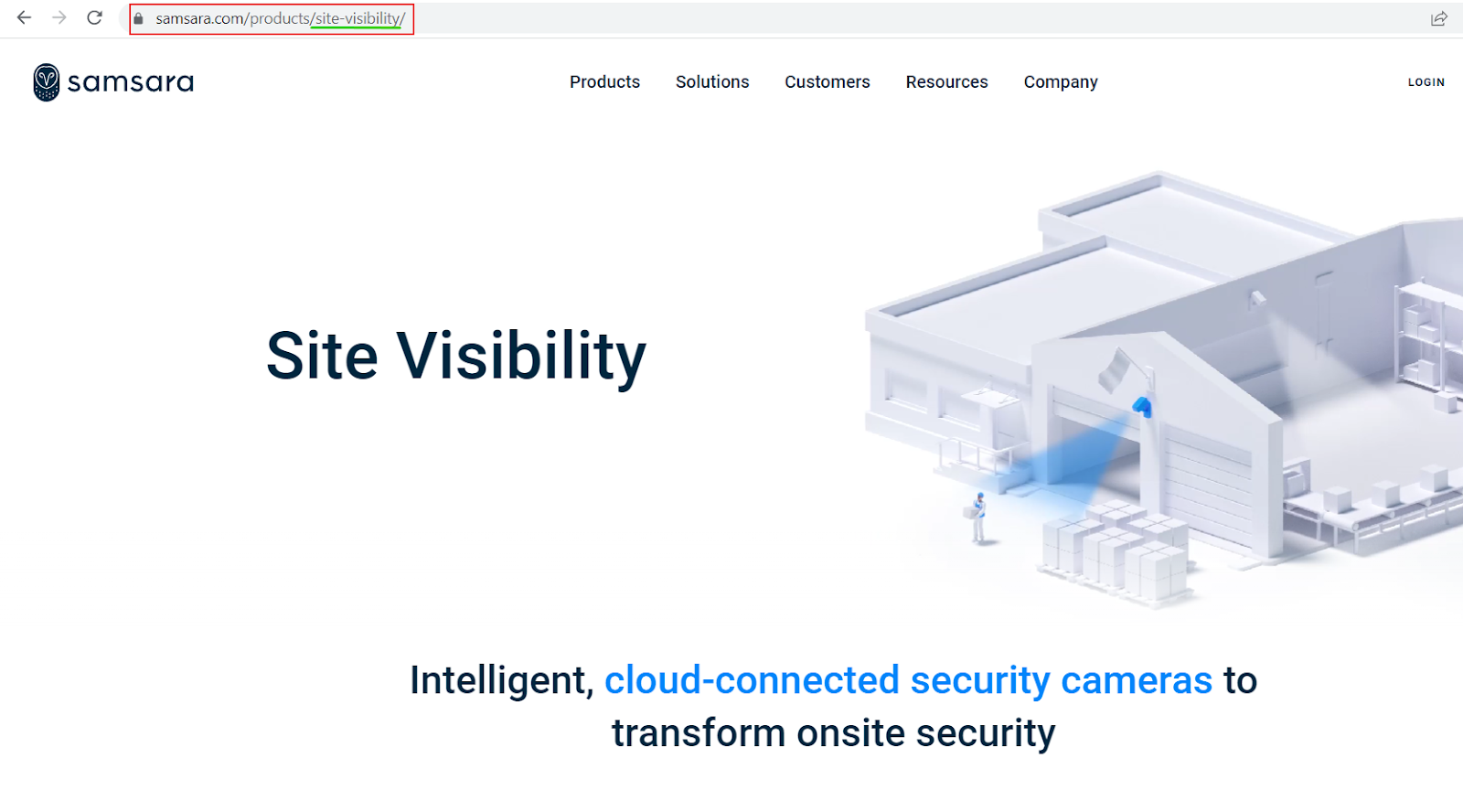
To top it off, they use a simple structure to help keep their category and pages organized.
This organizational step is crucial if you sell a wide variety of products. You could have hundreds or thousands of variations, so keep it as simple as possible to avoid broken links and maintain a clean website architecture.
Optimize your meta title, description and alt text
When you optimize your on-page SEO, don't forget the small details like titles, meta descriptions, and alt text.
While they aren't direct ranking factors, these things can help you stand out in SERPs, which means more clicks. Plus, a higher click-through rate is an indirect ranking factor.
Here are some key tips to optimize these small details:
- Place the target keyword at the beginning of the title tag (if possible)
- Provide a compelling reason for people to choose your content over the other results, and include your keyword at least once.
- Add a brief description of your images in the alt text.
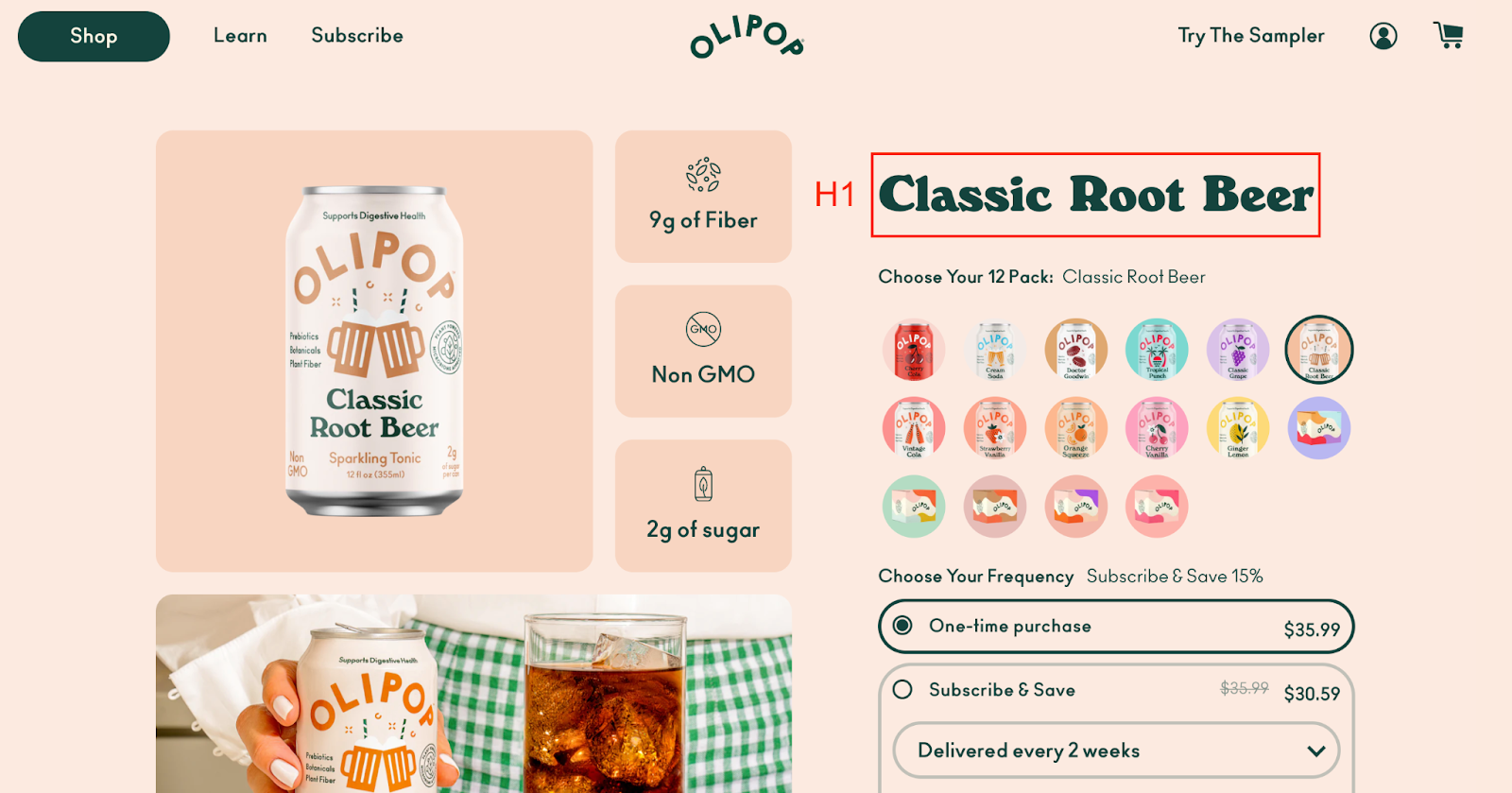
- Use one H1 tag per post and make it keyword-focused. Use multiple H2 tags on product pages to provide order and structure to your content.
Add internal links
Don't underestimate the power of internal links.
Here are the primary reasons to add internal links to your product pages:
- Make it easy for users to find what they're looking for by keeping on-site navigation simple and making sure your site's content is relevant to their interests.
- Help search engines index your site by creating a neat web of related content.
- Encourage visitors to stay on your site longer by visiting multiple product pages.
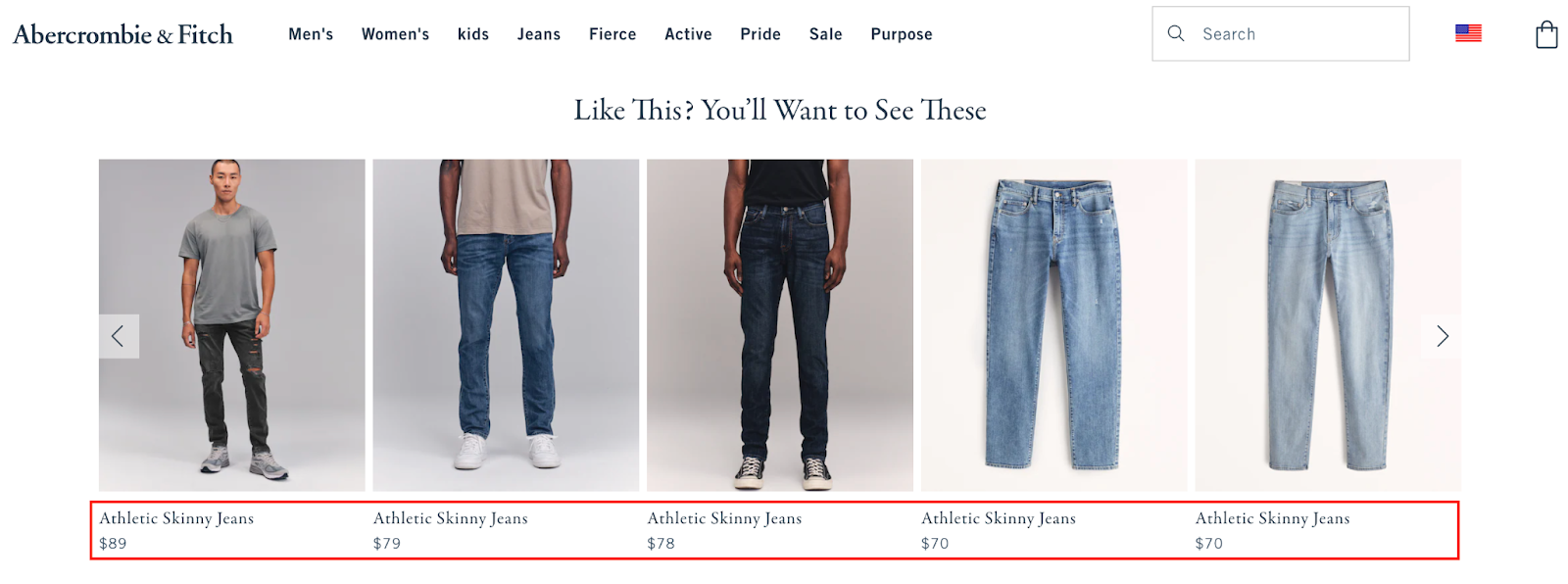
Abercombie & Fitch does an excellent job of adding relevant internal product links to the bottom of all product pages to reduce bounce rates.
If a visitor is unsatisfied with the pair of men's jeans they clicked on in the Google SERP, they may stay longer on the Abercrombie & Fitch website if another pair of jeans catches their eye.
As a rule of thumb, don't add too many links with similar anchors — incorporate breadcrumbs to help visitors (and search engines) understand your site's hierarchy.
Provide a stellar user experience
It's essential to check and improve the usability of your website to perfect your SEO strategy.
From the get-go, your site should be well-organized and easy to navigate. Adding a search feature isn't a bad idea.
Then, of course, your product descriptions should be compelling while also accurately describing your product. A friendly and energetic tone can keep your visitors engaged, like this product description of a green velvet couch from Wayfair.
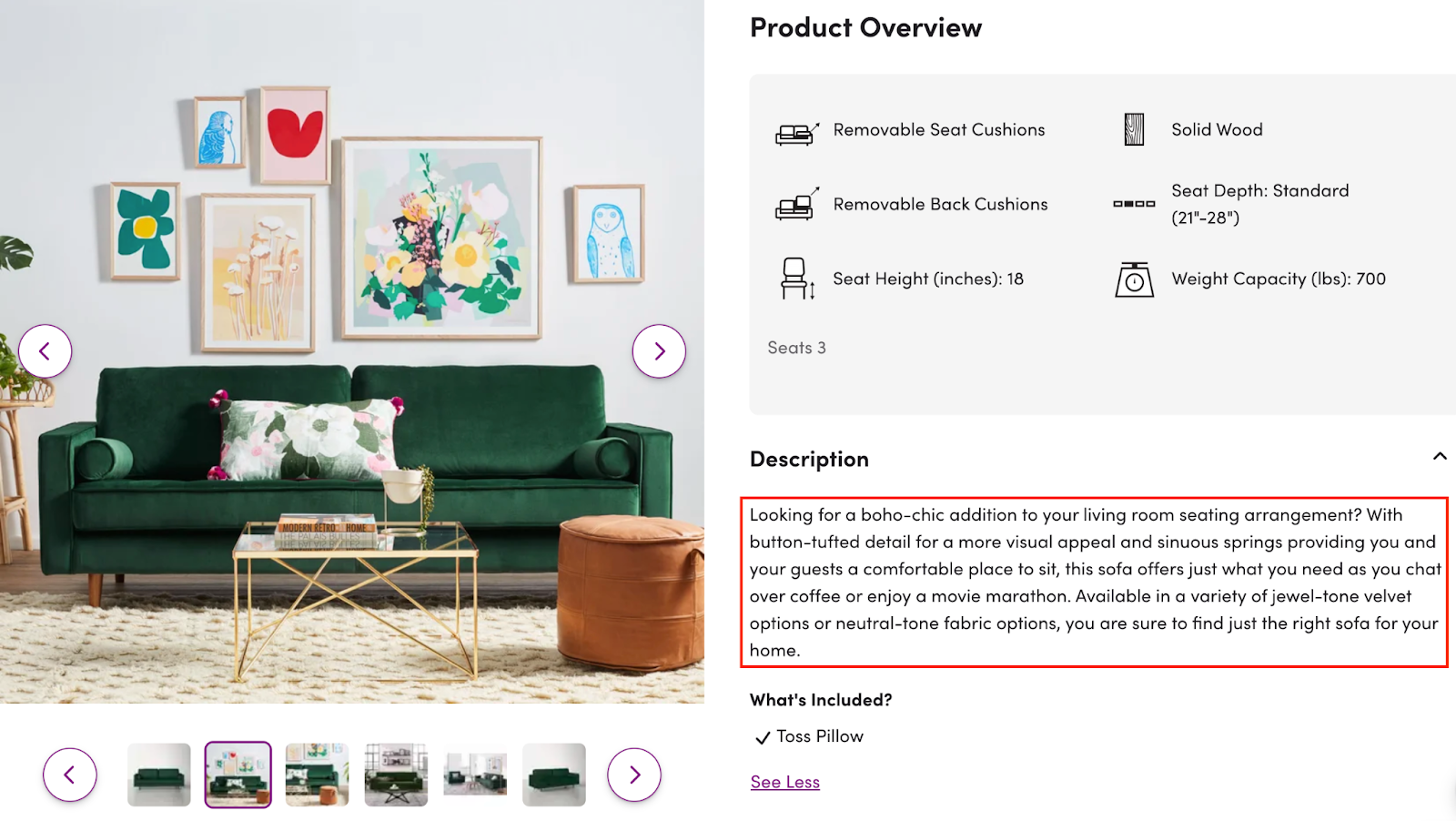
If you need some inspiration, use a free AI writer to help you create product descriptions that convert. With the help of AI, you can kiss the dreaded writer's block goodbye and test out a variety of tones to see what your visitors like best.
Now that you have the compelling product descriptions down, don't let a slow checkout process hinder your sales.
It's crucial to optimize checkout flows for your ecommerce store. The ideal checkout flow has 12–14 form elements. Anything more than that is a hassle for customers and can lead to an increase in abandoned carts.
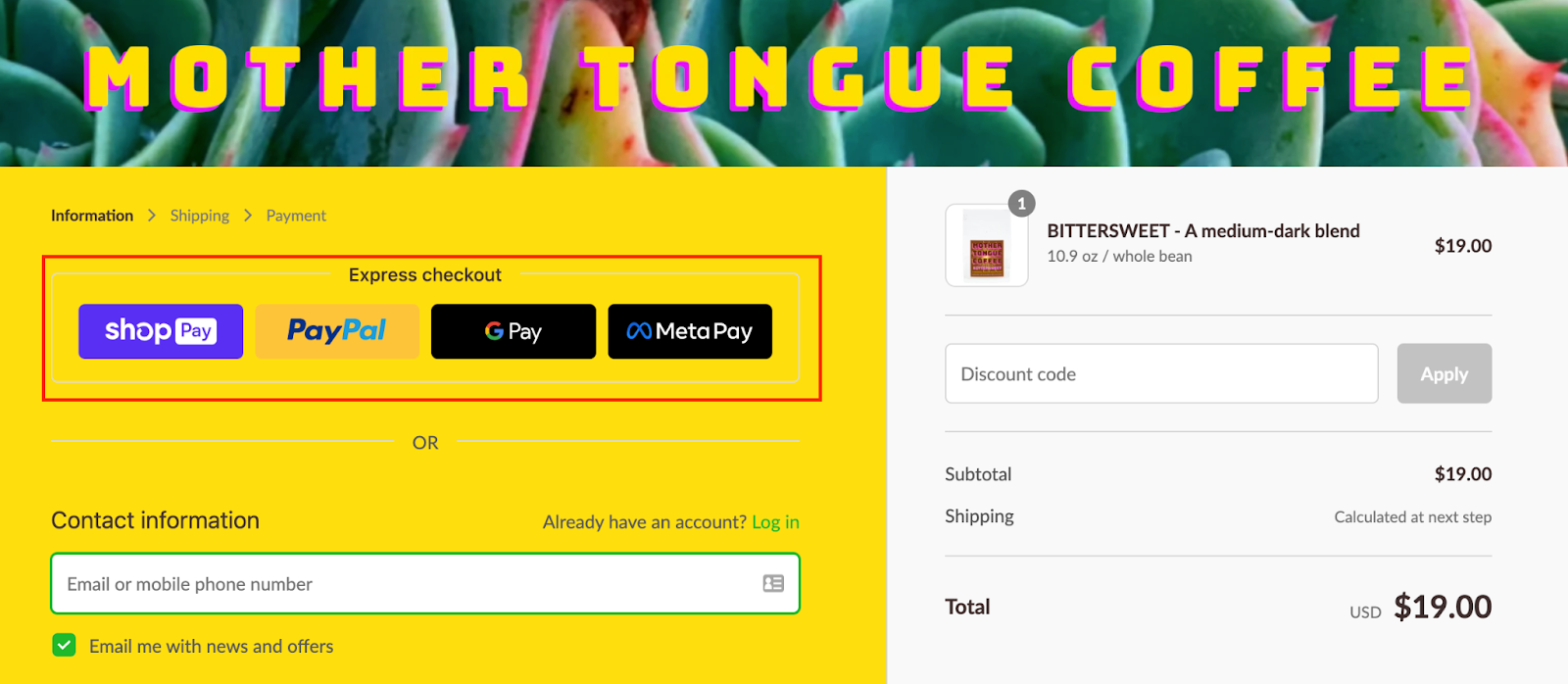
Adding an express checkout option is a surefire way to reduce shopping cart abandonment rates. The faster customers can check out, the less likely they are to second-guess their purchase.
Finally, personalize the shopping experience by offering product recommendations based on customers' past behavior. But make sure to adhere to the data privacy laws.
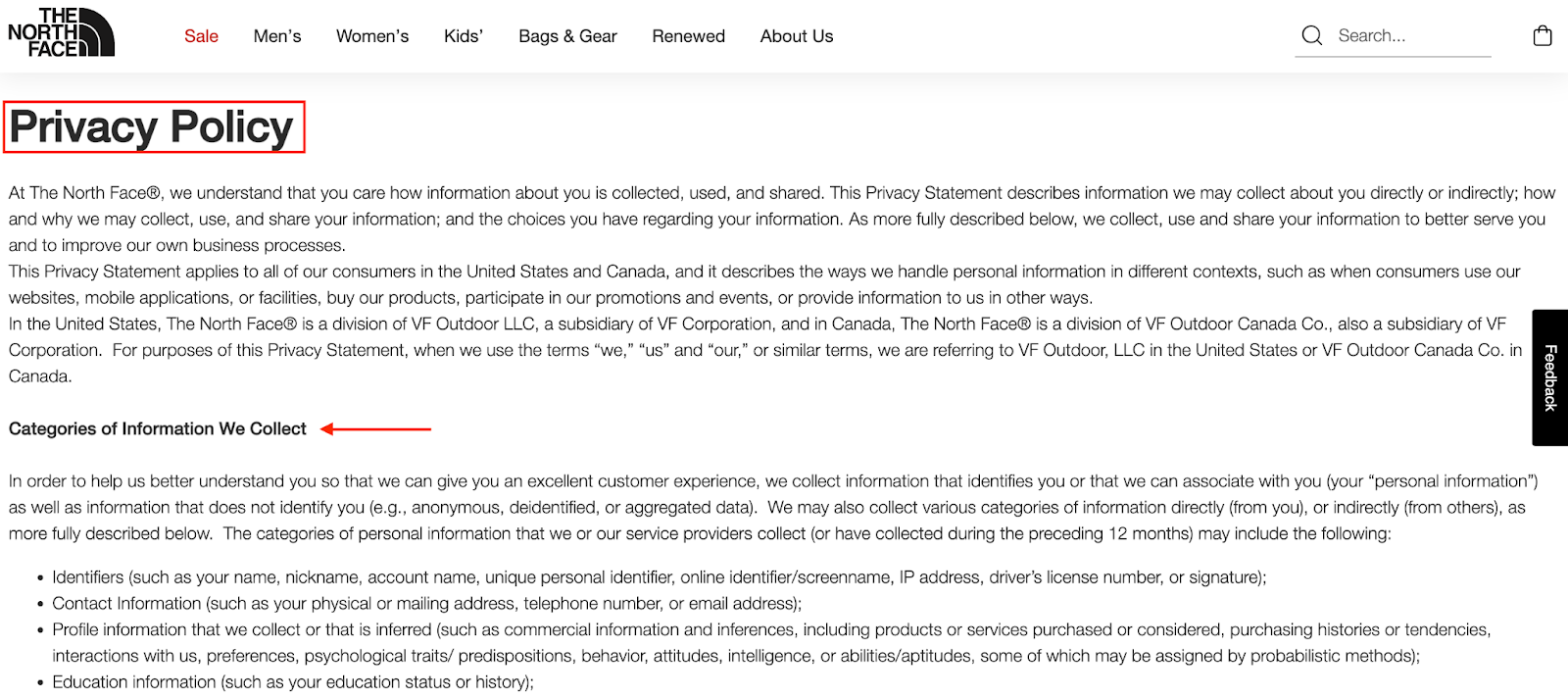
Use a privacy policy template to ensure you follow the laws and regulations around your site's collection, use, and sharing of personal information. The last thing you need is a lawsuit weighing on your shoulders while trying to get your business off the ground.
Add the link to your privacy policy in your website footer, so it's easy to find.
Step 4: Prioritize ecommerce technical SEO
By doing all of the above, you'll generate tons of traffic to your online store via better content and on-page SEO. But if your site isn't up to snuff, all that effort will be for naught.
Focus on site speed
Your website should load within three seconds.
Every second adds up. Even though a few seconds doesn't seem like much, it can mean the difference between keeping your traffic or losing it.
Slow page speed results in higher bounce rates, meaning your traffic will leave before you even get a chance to show them what you have to offer.
Image optimization is worth your time because it has the potential to improve your page speed.
Make sure to use vector art, resize your images, and convert to a JPG file format to improve loading times.
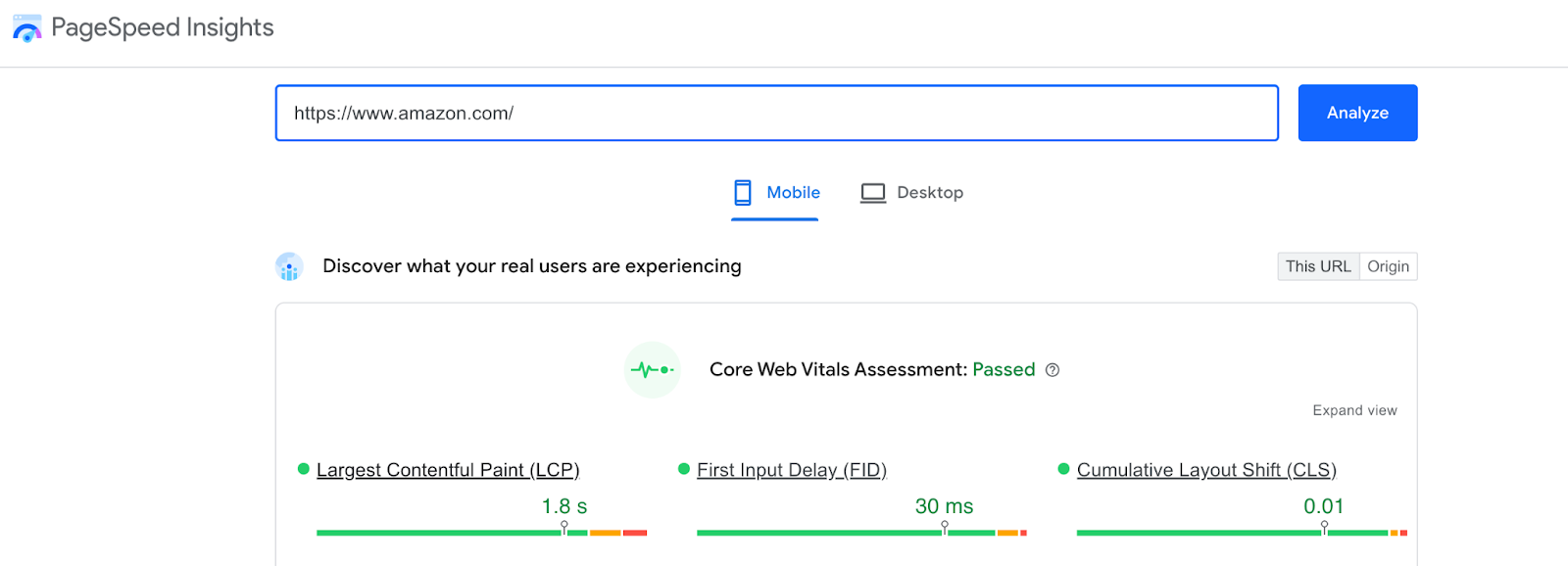
You can also use Google's PageSpeed Insights tool to test your page speed. If it fails the speed test, Google will share details on how to remedy it.
Make your site mobile-friendly
More than half of global website traffic comes from mobile devices.
If you're not making sure your ecommerce site is mobile-friendly, you're missing out on a huge opportunity to reach the growing number of people who are shopping online with their phones.
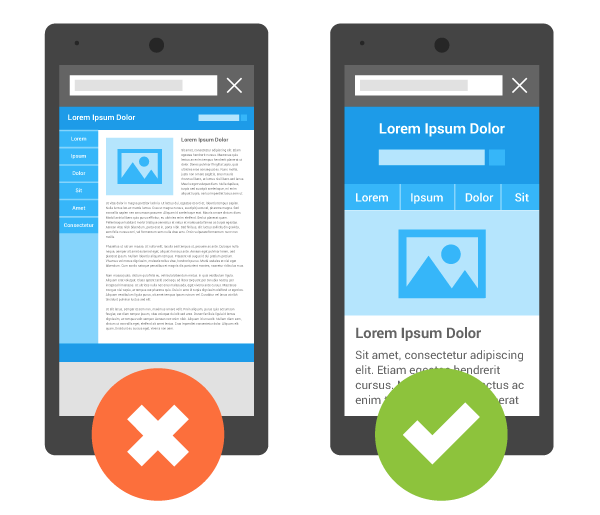
If your website isn't mobile-friendly, it can be challenging to view by requiring visitors to pinch or zoom to read the content.
Your visitors might find this a frustrating experience and are more likely to abandon your site. A mobile-friendly website is readable and immediately usable.
Step 5: Build backlinks for your ecommerce store
Building backlinks for your ecommerce store is a great way to increase site authority, rank higher in search results, and drive relevant traffic from other sites in your niche. But doing so takes time, effort, and perseverance.
Here are two ways you can start building links for your online store today:
Create custom images and visuals
Creating thoughtful, in-depth blog posts and custom graphics is an easy way to get more backlinks to your online store. Bloggers and content creators in every niche use images to reinforce their points and make their content easier to understand.
Your chances of getting backlinks are much higher if you provide custom images. Why? Because content writers will cite the source of the image in their blog post, earning you valuable links without any dedicated outreach.
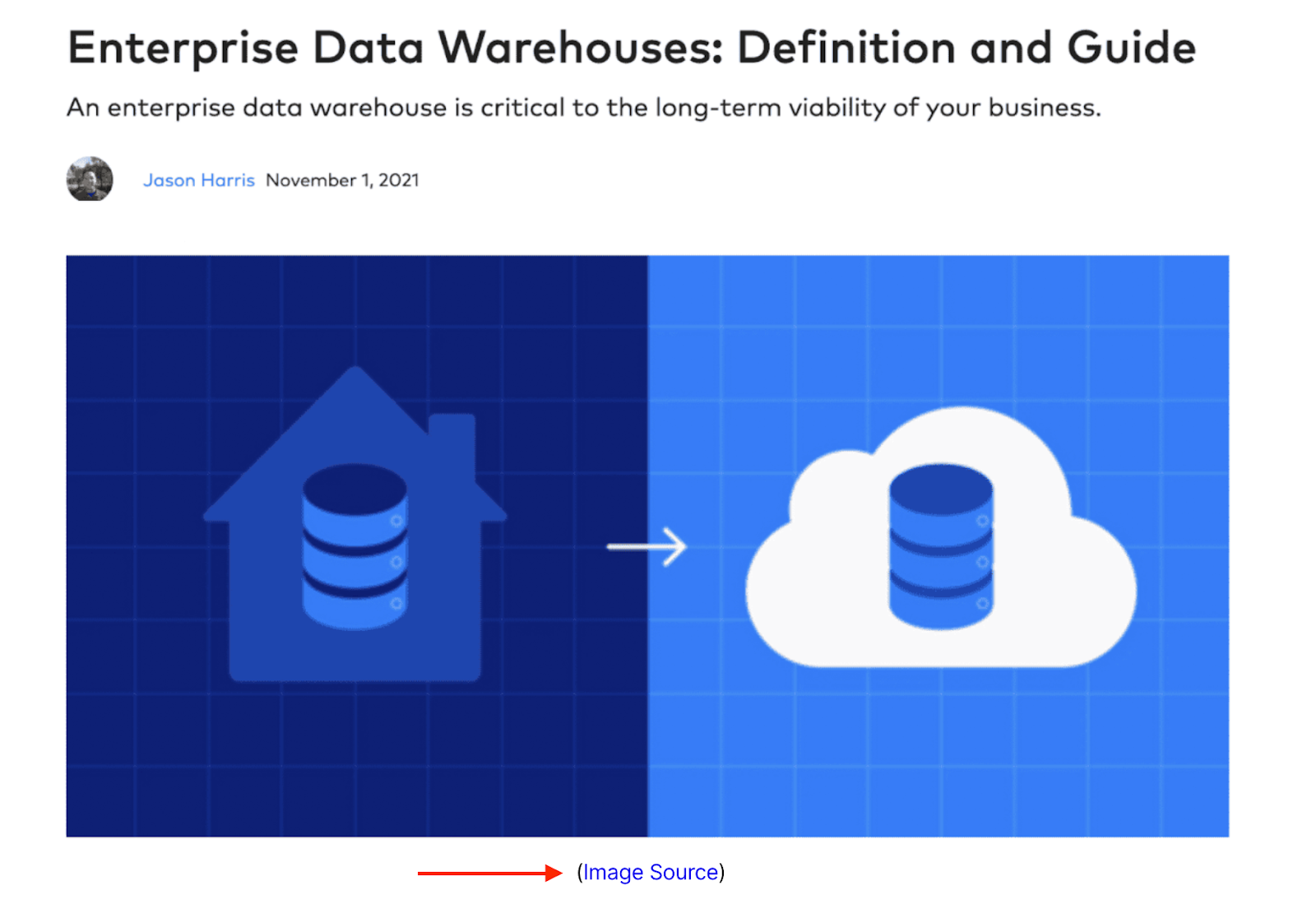
Talk about an idyllic situation. Use a free photo editor online to create custom images to help you score these coveted backlinks in no time.
Write guest posts to show your expertise
Guest blogging is a tried and true method for landing brand mentions and links.
Yes, even in the B2C space, guest blogging is popular. For example, if your online shop sells furniture, you have all of the insights into the popular designs that are selling fast this season.
Create a write-up of the best couch designs selling like hotcakes in 2022 and pitch your idea to a home staging company.
Remember, they are focusing on improving their real estate SEO strategy. So, a free, high-quality piece of content from an industry expert is hard to refuse. And voila, you'll have secured another backlink.
Key takeaways
Search engine optimization isn't just a B2B SaaS marketing strategy.
B2C, and ecommerce stores, in particular, can benefit from a strong SEO strategy.
Why? Because better SEO leads to more organic traffic. And more organic traffic means less money spent on ads and more money in your pocket.
A solid SEO strategy will also improve your business valuation if you eventually decide to sell your online store.
So follow the ecommerce SEO checklist outlined here to dominate SEO, build brand awareness, and drive sales for years to come. You won't regret it.

Why Customers Abandon Online Shopping Carts
This report has exclusive data on the top reasons customers don't complete online purchases, plus ways your store can stop abandoned carts.
Download eBook